



Pre-writing activities? Just what exactly are they?
Shouldn't writing be as simple as picking up a pencil and copying out the letters?
Well, no actually!
Development of fine motor skills is absolutely crucial in order to build up the hand strength and pincer grip needed to hold a pencil both comfortably and accurately.
The key here is don’t run before you can walk. Be patient, work on these pre-writing skills in a fun, playful way before trying to introduce writing. Throughout the years, my children did many pre-writing activities before moving on to letter formation - it certainly made the whole process smoother.
What are pre-writing activities?
As the name suggests, pre-writing activities work on the skills a child needs in order to write. This includes hand-eye coordination, crossing the midlines, fine motor skills, pincer grip, tracking and balance. In this post, we are going to be delving into pre-writing activity ideas specifically for fine motor skills.
Below this infographic, you will find some activity prompts that you can try at home with your children. Look out for further ideas by subscribing below or by following me on Instagram and Pinterest.

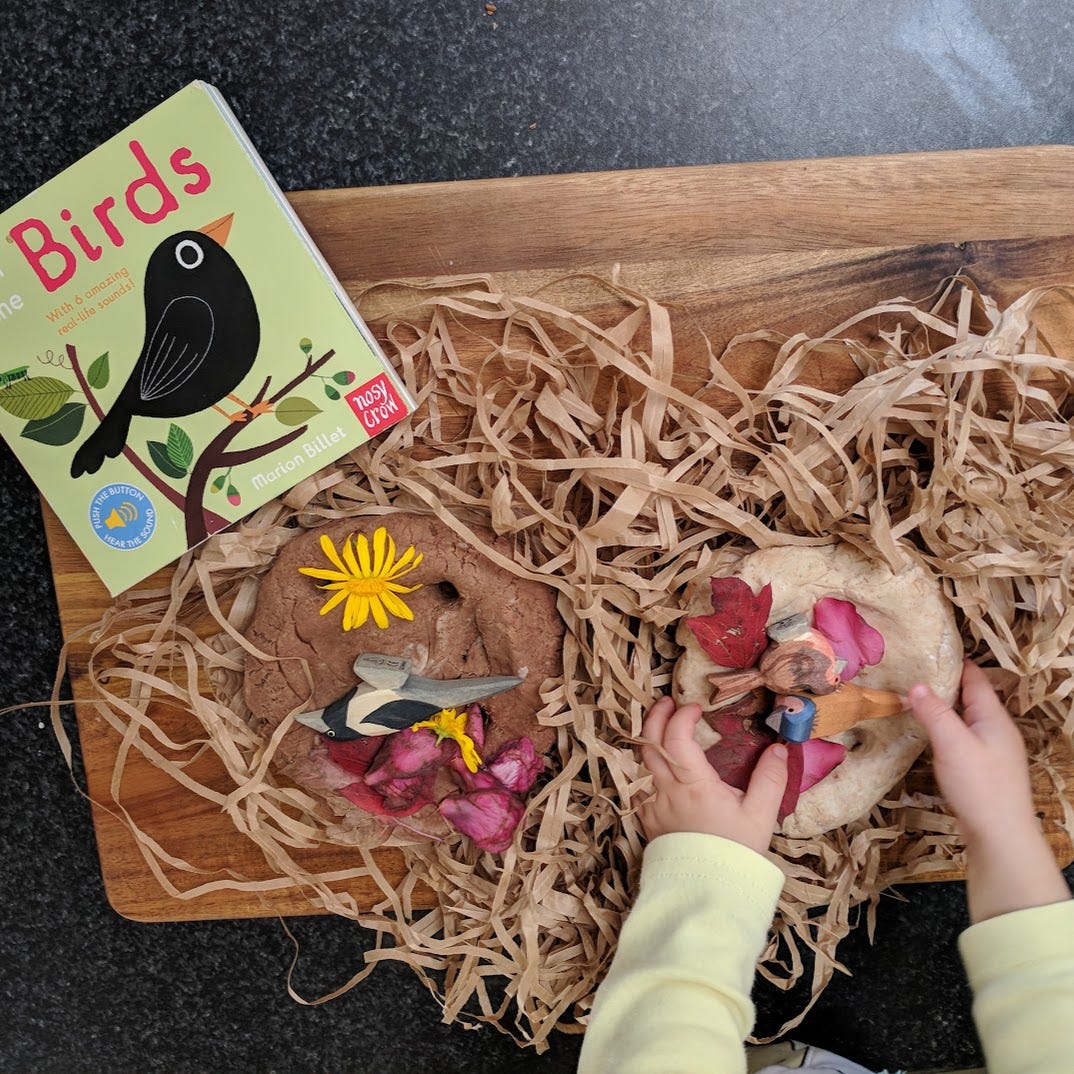
1.Manipulating play dough
Play dough will ALWAYS be one of our favourite pre-writing activities. We make the dough from scratch every time, which is a great activity in itself, as is the play afterwards.
If you’re short on time to make play dough, the store-bought stuff is perfectly fine - we use it often. Get your child to roll the dough into a ball or make ‘sausages.’ My daughter loved to roll the dough flat – either with her hand or rolling pin in order to make a little small world.
2. Threading beads
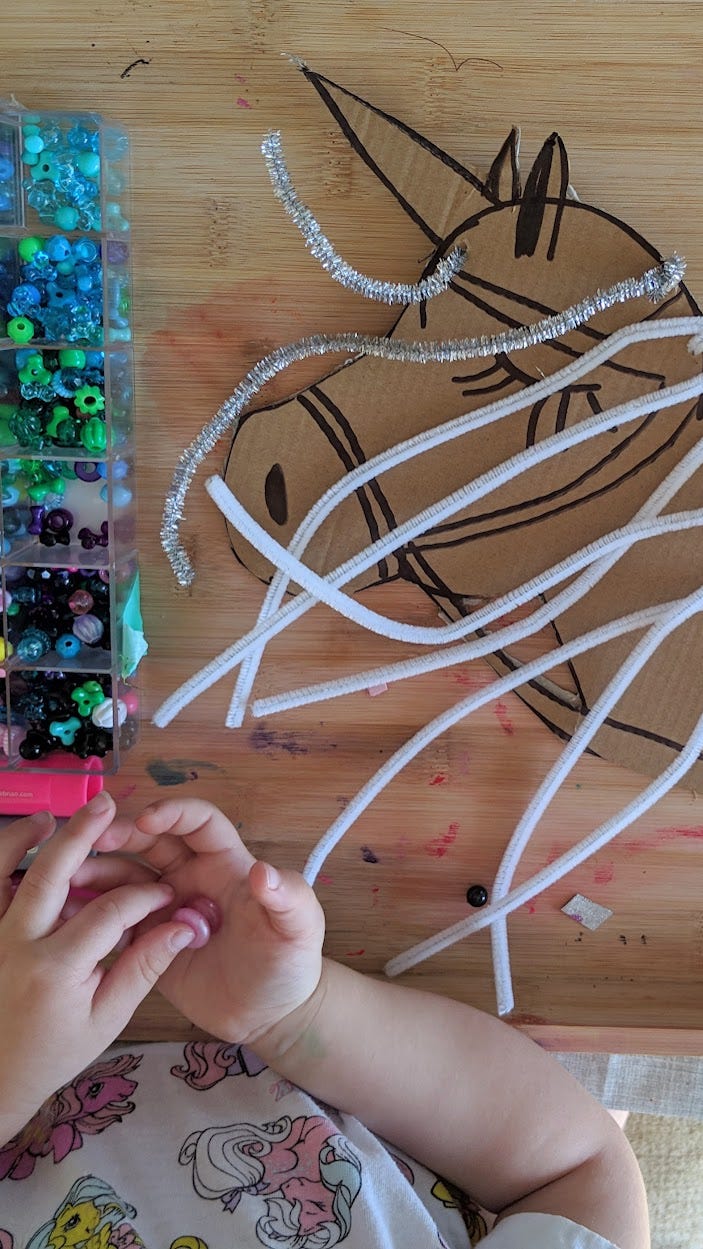
Threading beads is an excellent way of using the pincer grip in order to develop pre-writing skills. Chenille sticks and pony beads are a great combination IF your child is used to such activities, but I would suggest starting with bigger objects first (such as food pouch lids or cheerios), then gradually use smaller items as your child gets more confident.
Below, you can see a simple set-up for children just learning to use pony beads. Taping down one end of the chenille stick with duct tape makes it easier to focus on the pre-writing skills development rather than the frustrating task of keeping all the beads on the stick!
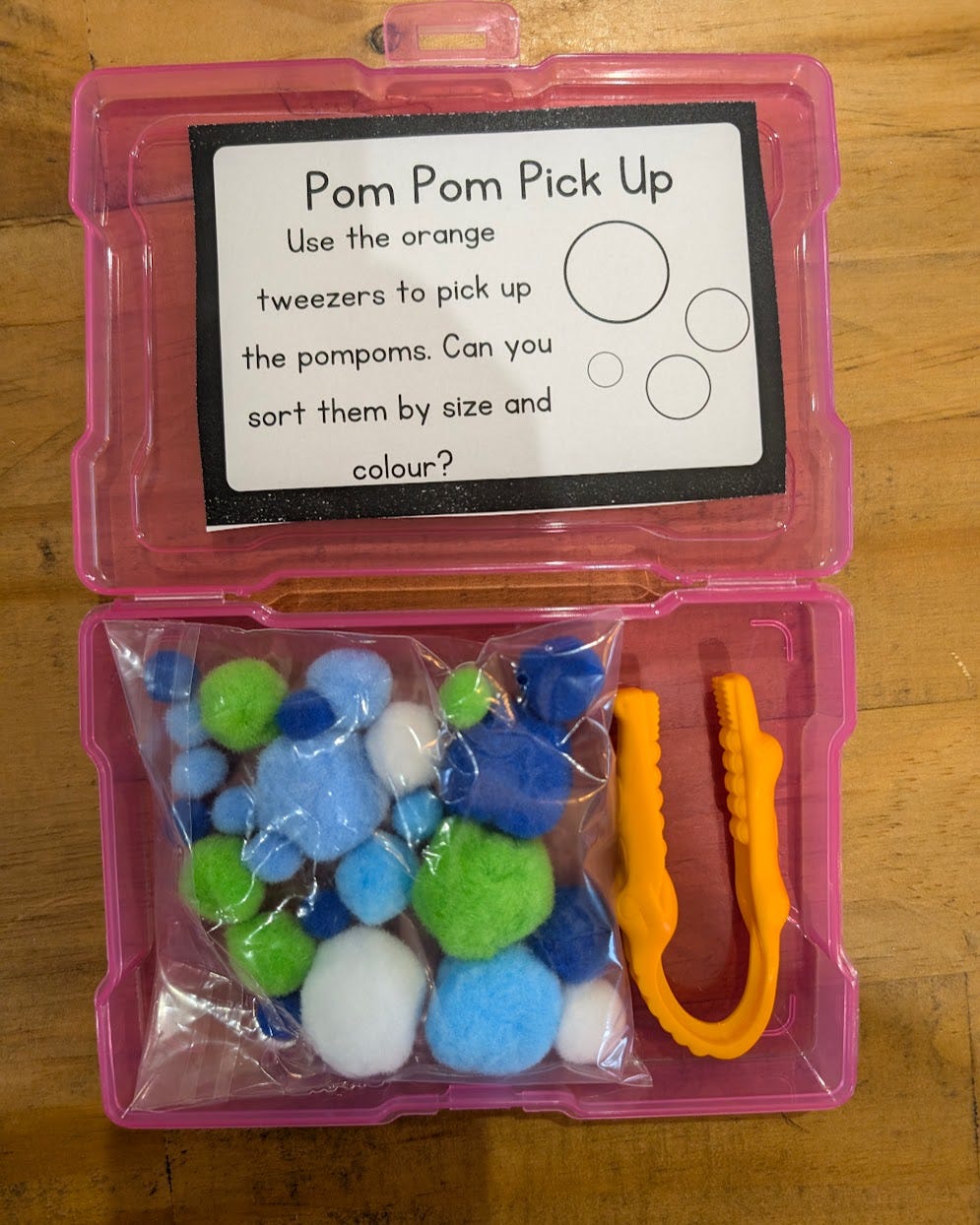
3. Using tweezers to pick up objects
Tools such as tweezers and scoops can add extra challenge to activities as they require manipulation of the hands and fingers to work. I recommend the fine motor toolkit from Learning Resources as a simple addition to sensory play activities.
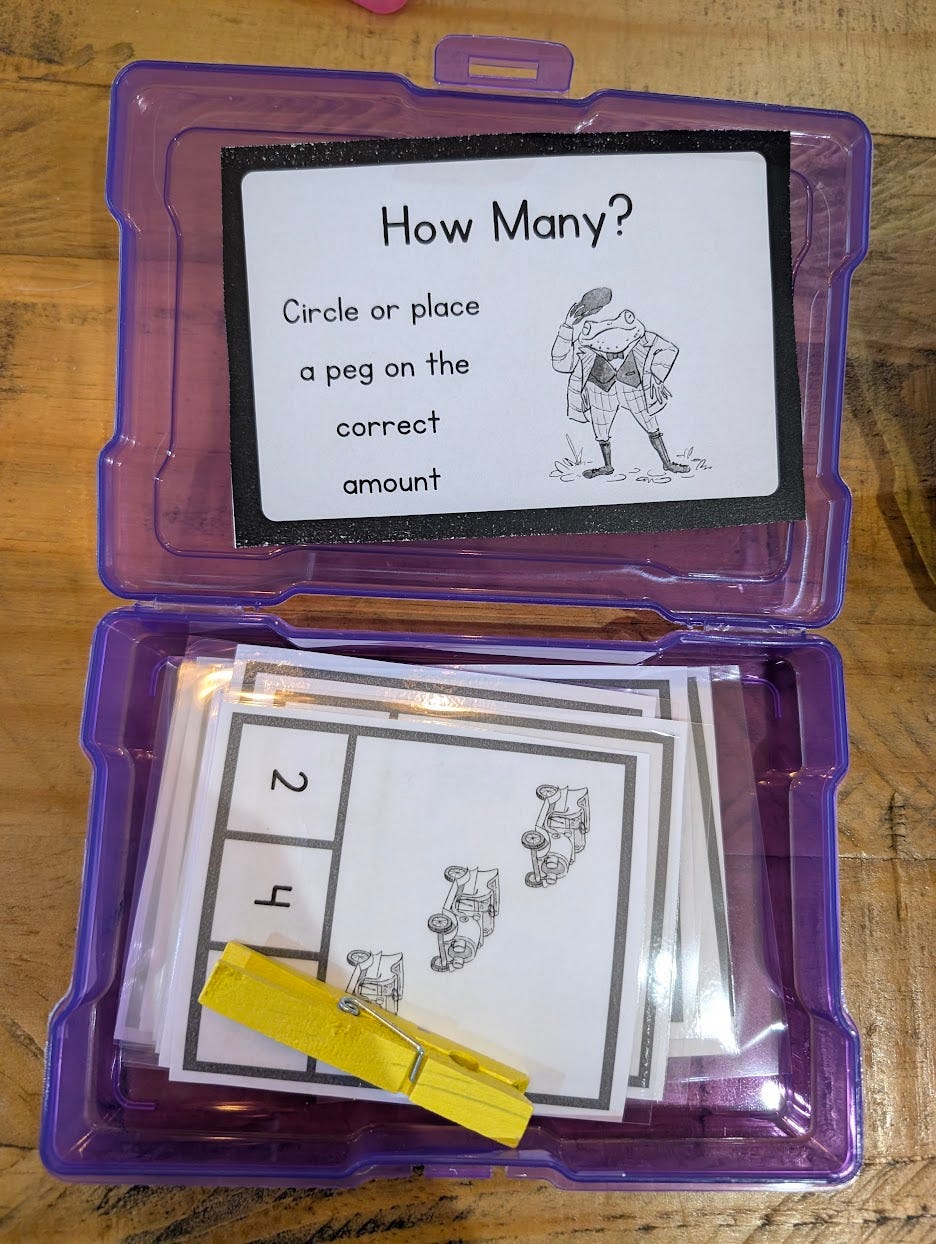
4. Practising pincer grip with clothes pegs
Clothes pegs are such a fab everyday resource for early learning. We use them in so many ways, from name recognition , to number recognition and colour matches, too. You can even recreate a mini washing line with pegs to introduce so ‘real-world’ play into the proceedings.
5. Scissor Skills
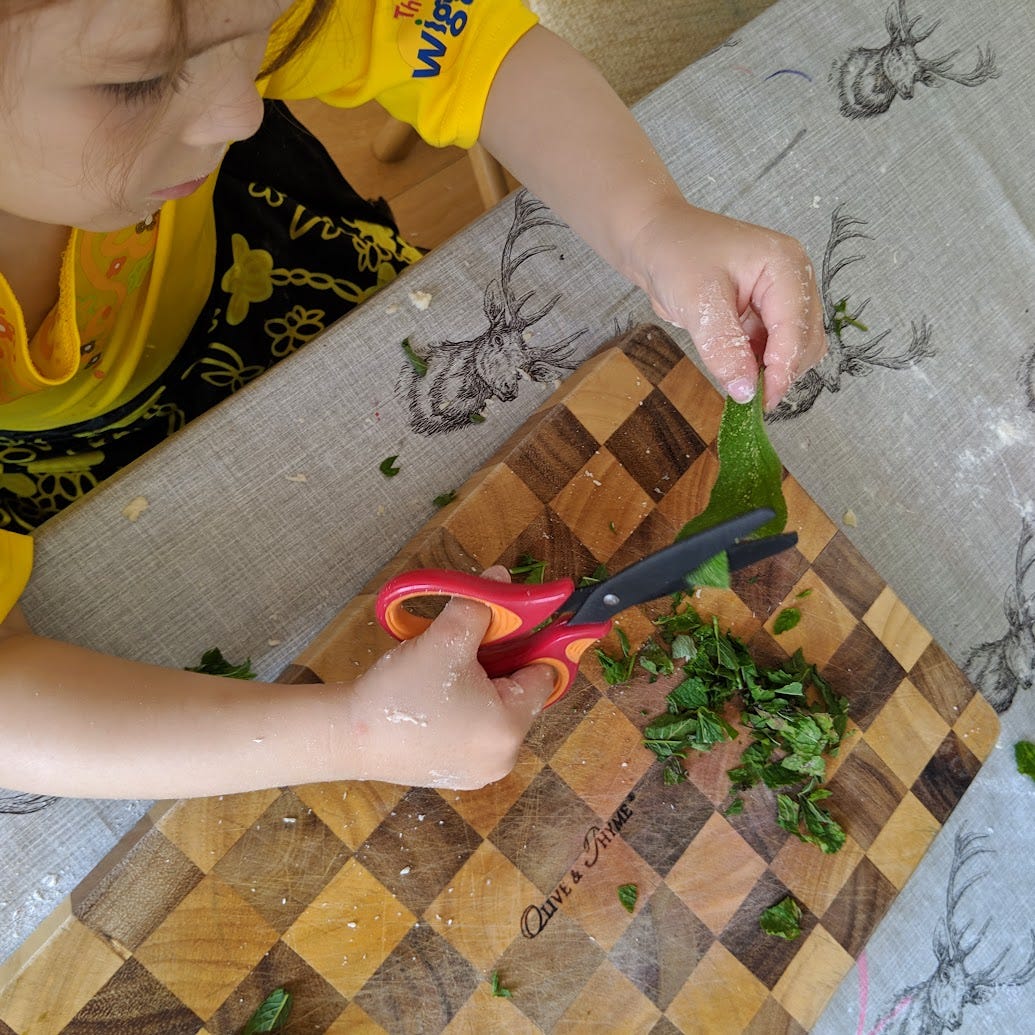
It can seem like a terrifying prospect to allow your little learner to wield some scissors, but it’s another important pre-writing activity that helps to build strength in the hands and fingers. There’s plenty of activities you can try, from ‘haircuts’ to following lines on a printable however our personal favourite was always using scissors in a practical way.
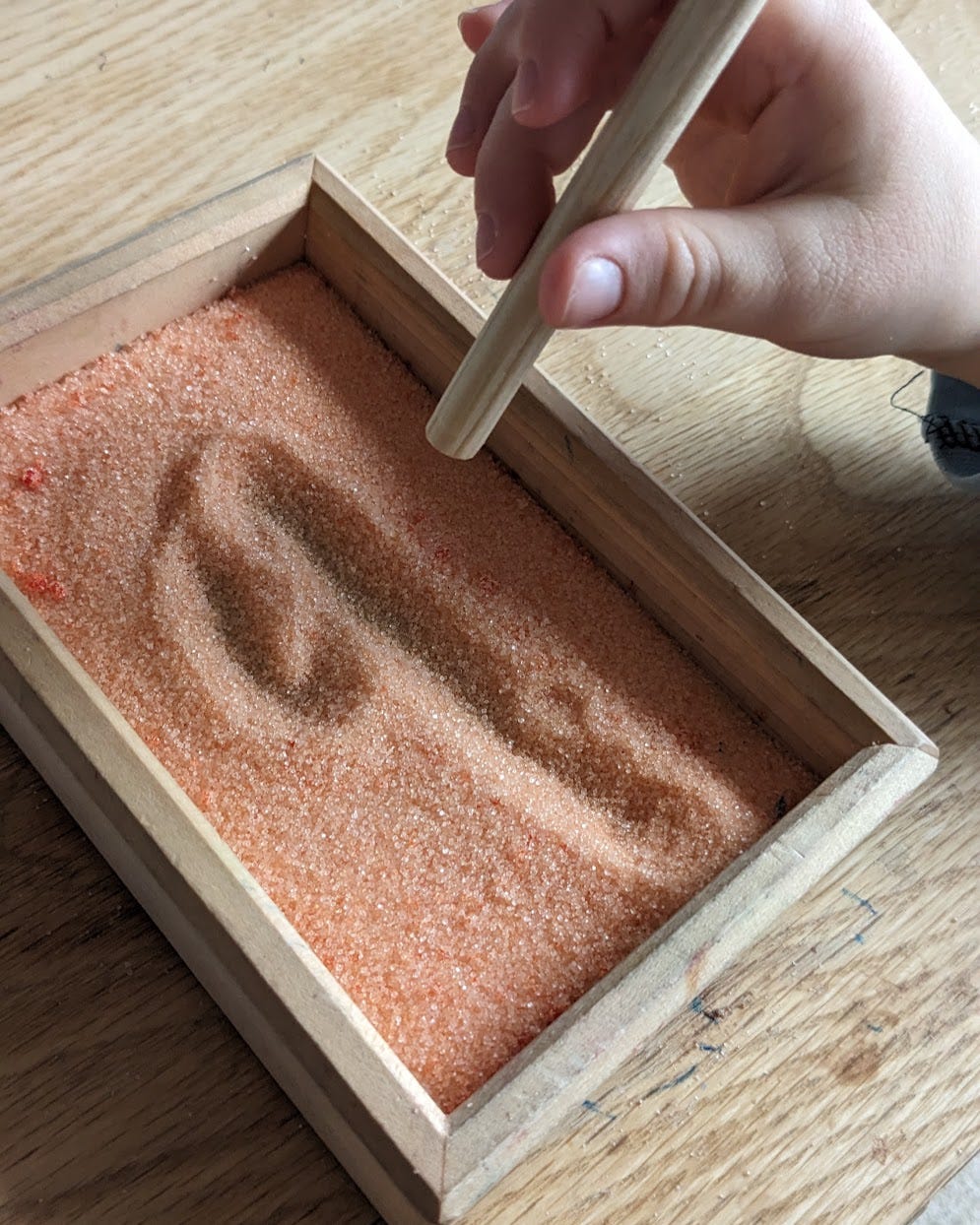
6. Trace with index finger / paint brush
Salt trays are an excellent way of getting little ones to trace or copy shapes. The tray above was used with my daughter when she was practising high frequency words (HFW) however it can also be used with much younger children to copy pre-writing shapes.
7. Regular Gross Motor Activities
Does this one surprise you?
Regular gross motor activities, particularly ones which involve using balance, core strength development and finger grip, will help your child become more comfortable with writing in the future.
It’s important to note that this doesn’t mean enrolling in expensive sports clubs. Opportunities to play at the local playground on a regular basis will go a long way in helping your child to develop these skills.
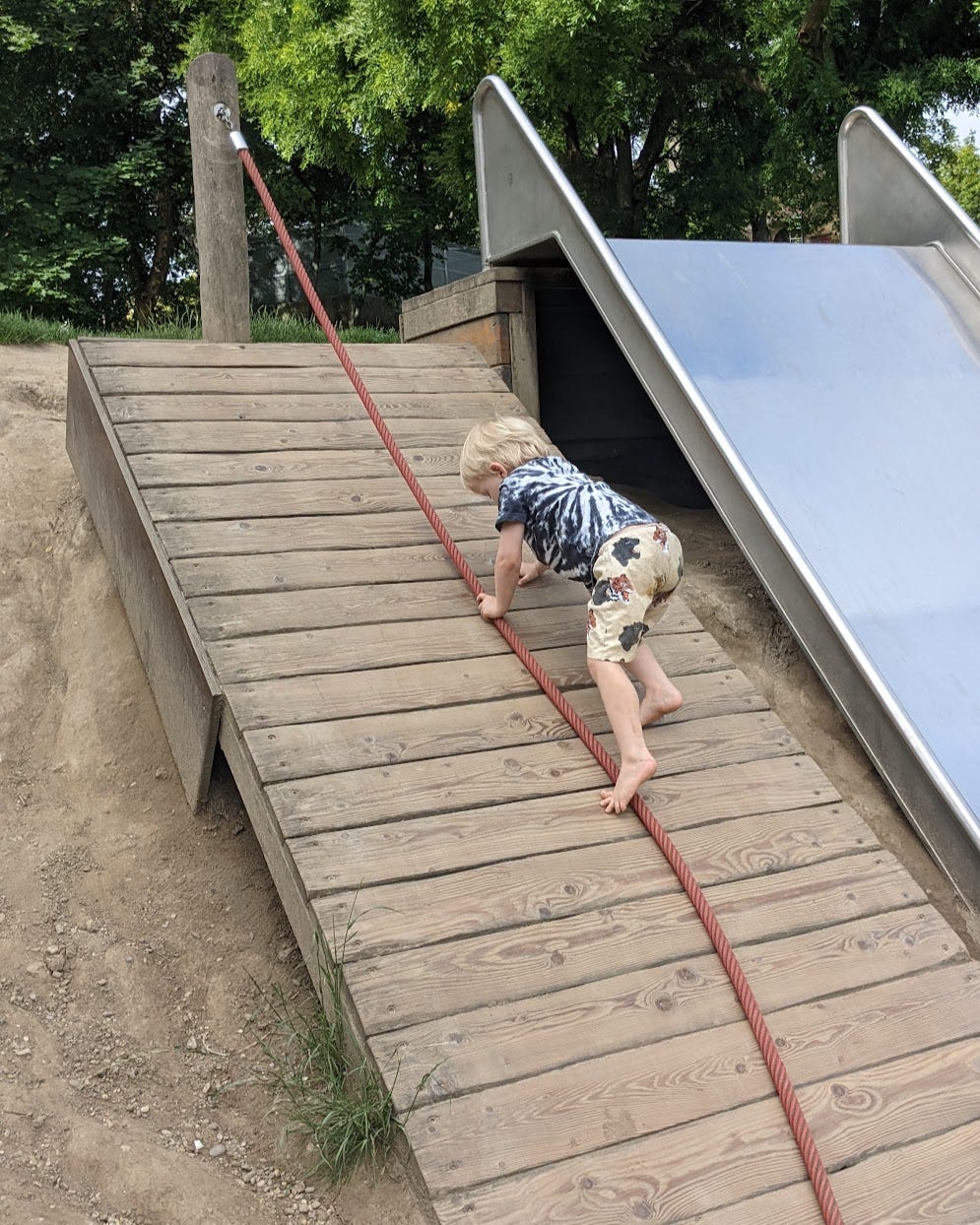
It’s not too late to join in with 30 Days of Outdoor play, if you want to encourage more gross motor play outside:

8. Create art and crafts
Art can often get ignored at home for fear that it will cause a huge amount of mess but it needn’t be a stressful experience, especially when there are so many sensory benefits.
In many ways, art is the perfect pre-writing activity that also allows for creative outlet. Holding a paintbrush, squeezing a sponge or even using fingers during art sessions are all great ways for children to explore and experiment with their hands and fingers
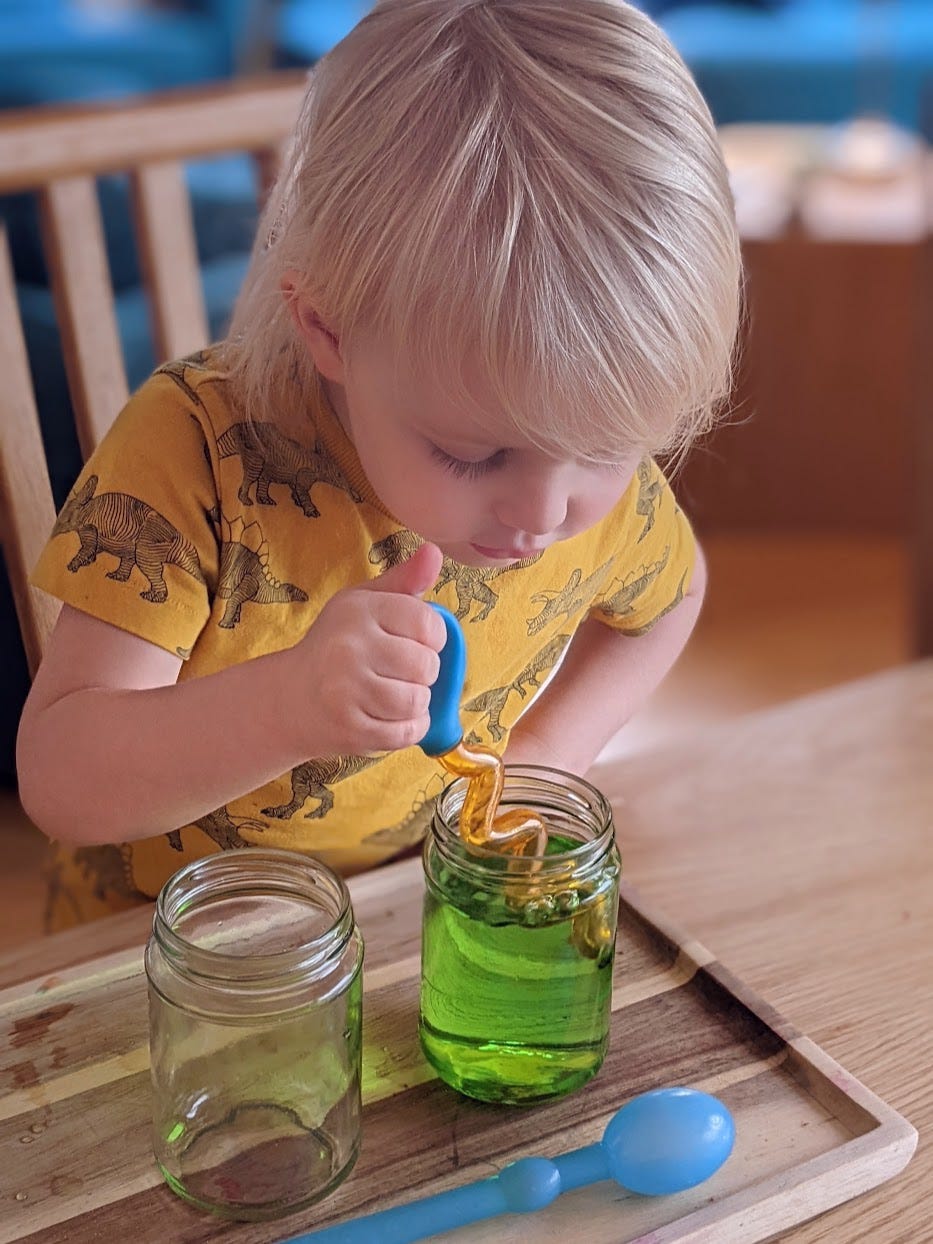
9. Squeezing Pipettes
Pipettes (or turkey basters) are another fabulous resource for pre-writing activities in the early years. In fact, our pipettes seem to be a feature in most of the water play we do! From colour mixing to simple science experiments, they add a fun element to proceedings whilst still having all the benefits of boosting fine motor skills.
Is your child starting school soon?
Starting school is not just about the academics - whilst learning about pre-writing activities is really helpful, you need a holistic approach to the lead up to school.
In May, I will be hosting a starting school workshop as part of the This Playful Home membership.
Topics covered include:
Building Independence
Social-Emotional Readiness
Foundational Academic Skills
Your Readiness as a parent